
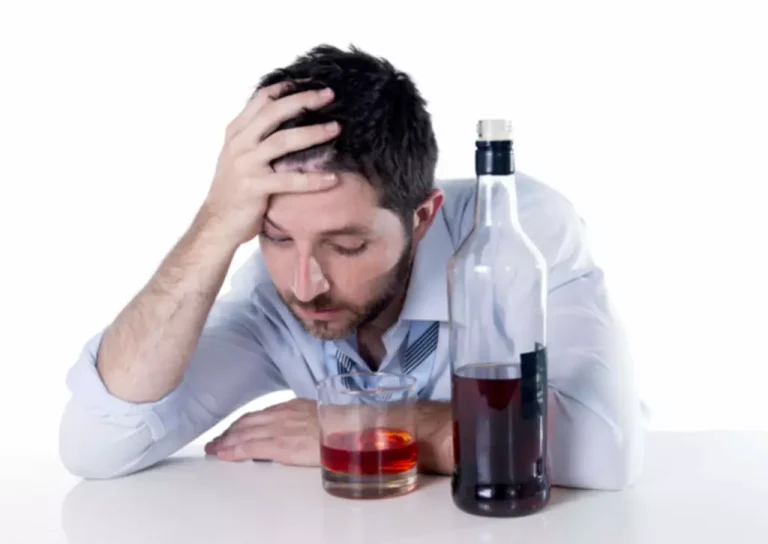
Remember, many people deny that they have problems for a long time. Just remind them that you care and ask permission to keep checking in with them. A person with addiction can find many organizations that may help them. A person can also call a hotline for help with their addiction. Medicinal advances and progress in diagnosis have helped the medical community develop various ways to manage and resolve addiction.
DSM-5
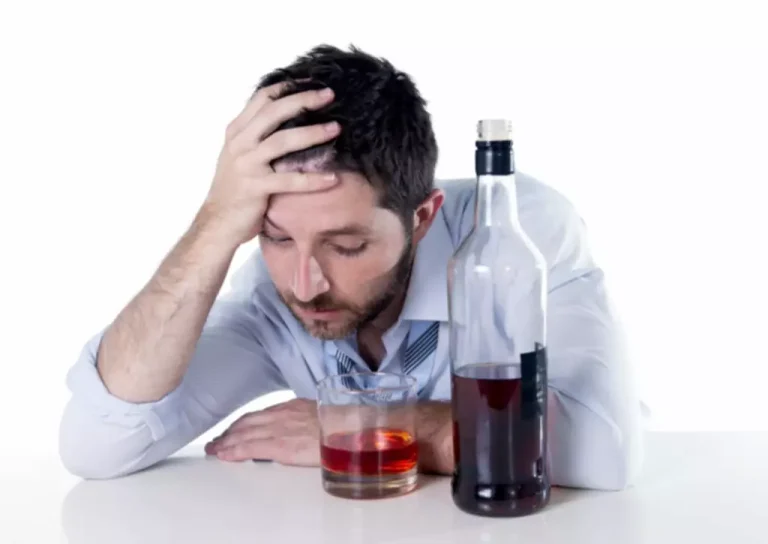
The world is changing, and you may find that getting help for your addiction is the best thing you ever do for yourself. In the meantime, we hope that educating yourself will help on your journey to wellness. If this happens, or if you have been drinking or using drugs, such as opioids—illicit or prescribed, other prescription medications, stimulants, cocaine, or meth—you should seek medical help immediately. Because some substances have the potential to cause dangerous withdrawal symptoms, it addictive drugs definition is important to receive an appropriate diagnosis in order to get the best treatment. Addiction diagnosis usually requires recognizing that there is a problem and seeking help.
Drug addiction (substance use disorder)
- These strategies involve building healthy routines, fostering a support network, and engaging in regular therapy to address underlying emotional and psychological issues that lead to substance use.
- If you experience withdrawal symptoms, seek medical attention for support with withdrawal management.
- Opioids are narcotic, painkilling drugs produced from opium or made synthetically.
- In addition to getting appropriate treatment, there are things that you can do that will make it easier to cope and aid in your recovery.
When a person has addiction and stops taking the substance or engaging in the behavior, they may experience certain symptoms. For example, a person who drinks alcohol heavily on a night out may experience both the euphoric and harmful effects of the substance. Many people, but not all, start using a drug or first engage in an activity voluntarily. As a person continues to use drugs, the brain adapts by reducing the ability of cells in the reward circuit to respond to it. This reduces the high that the person feels compared to the high they felt when first taking the drug—an effect known as tolerance.
Social scientific models
Specifically, the pancreatic stellate cells are activated, resulting in the expected fibrotic changes. For tobacco dependence, there is currently bupropion and varenicline. Off-label uses exist for drugs like clonidine, an alpha-2 agonist for managing high blood pressure. Also, there is nortriptyline, a member of the TCA class of antidepressants. Both of the latter drugs are effective if started before quitting. Both disrupt the normal, healthy functioning of an organ in the body, both have serious harmful effects, and both are, in many cases, preventable and treatable.
- But with continued use, a person’s ability to exert self-control can become seriously impaired.
- Short-term effects of hallucinogen use primarily involve dramatic changes in sensory perception and psychological states.
- Chronic use results in compulsive patterns of abuse and difficulty maintaining sobriety.
- But instead of motivating you to do the things you need to do to survive (eat, work and spend time with loved ones), such massive dopamine levels can have damaging effects on your thoughts, feelings and behavior.
- Research shows that combining addiction treatment medicines with behavioral therapy ensures the best chance of success for most patients.
Generally, substance use disorders are defined as having no control over substance use or an inability to quit due to tolerance, dependence, and withdrawal symptoms. Early symptoms, such as anxiety, restlessness, and mild cravings, appear within the first 12 to 24 hours as the body begins to adapt to the absence of the drug. The peak stage, occurring between 2 to 5 days, is the most intense, characterized by heightened depression, irritability, and sleep disturbances due to imbalances in neurotransmitters like serotonin. By the late stage, which lasts 1 to 2 weeks or more, physical symptoms taper off, but lingering effects, such as emotional instability, memory challenges, or psychological cravings, persist. Individual recovery times https://ecosoberhouse.com/ vary, especially if other mental health issues or substance dependencies are present, making medical and therapeutic support necessary during this period.
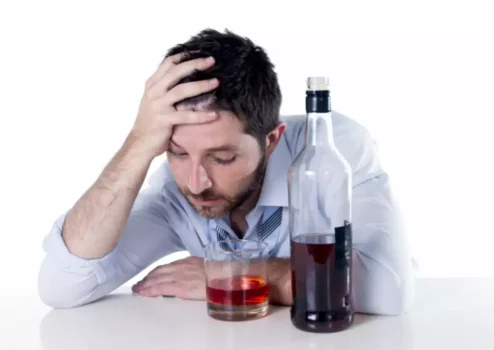
What Are the Different Types of Addictions?
As with other chronic health conditions, treatment should be ongoing and should be adjusted based on how the patient responds. Treatment plans need to be reviewed often and modified to fit the patient’s changing needs. The transtheoretical model can be helpful in guiding development of tailored behavioral interventions that can promote lasting change. Progression through these stages may not always follow a linear path, as individuals may move back and forth between stages.
- For some substances, such as opioids, the withdrawal symptoms are so severe that they create significant motivation to continue using them.
- People use cannabis by smoking, eating or inhaling a vaporized form of the drug.
- Globally, hallucinogen use remains less common than substances like alcohol or opioids, but patterns of recreational use and misuse vary widely across regions.
- Even a few episodes of substance misuse can lead to tolerance and dependence (addiction).
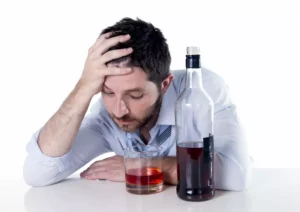
The approach that will be best for you depends on many factors and is best decided in collaboration with your doctor or therapist. For many others, quitting can lead to unpleasant withdrawal symptoms, even with behaviors, and can open up uncomfortable feelings that were being soothed or suppressed by the addictive behavior. If you are starting to think you might have an addiction, you have probably moved into the contemplation stage. This is a great time to find out more about the substance or behavior that you have been engaging in and to reflect honestly on whether you are experiencing any signs or symptoms of addiction. Addiction is a complex, chronic brain condition influenced by genes and the environment that is characterized by substance use or compulsive actions that continue despite harmful consequences.
Drug overdoses in this age group are generally caused when someone accidentally leaves a medication within the child’s reach. Toddlers, when they find medications, often share them with other children. Therefore, if you suspect an overdose in Sober living home one child while other children are around, those other children may have taken the medication, too.